
June 4, 2026
If you want a little more elbow room without feeling cut off from the Atlanta area, Locust Grove deserves a closer look. Many buyers are trying to balance two big goals at once: more home and yard space, plus a commute that still feels workable. In Locust Grove, that tradeoff is front and center, and understanding it can help you decide if the move fits your lifestyle. Let’s dive in.
Locust Grove is a small city in Henry County, but it has been growing quickly. Census estimates place the 2024 population at 11,749, which is a 30.8% increase from 2020. That kind of growth often signals rising interest from buyers who want more room and a suburban setting.
The city covers 11.59 square miles, with a population density of 771.9 people per square mile. Compared with denser parts of metro Atlanta, that supports a more spread-out feel. If you are looking for breathing room instead of a tightly packed neighborhood pattern, that can be a meaningful advantage.
Housing here is also largely owner-occupied, at 83.7%. The average household size is 3.14, and the median owner-occupied home value is $307,300. Taken together, those numbers point to a market that tends to attract buyers looking for stability, space, and a more traditional suburban home setup.
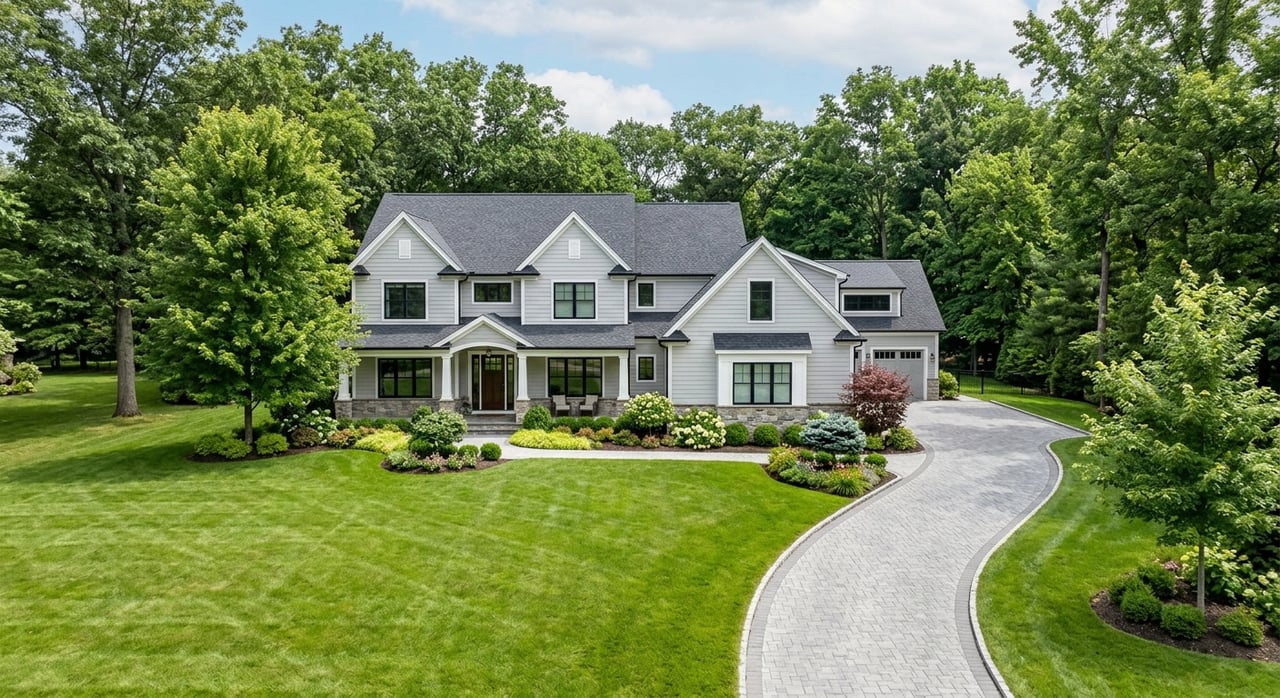
For many buyers, “more space” means more than just an extra bedroom. It can mean a larger yard, more distance between homes, flexible living areas, or simply a quieter daily rhythm. Locust Grove appears to check many of those boxes.
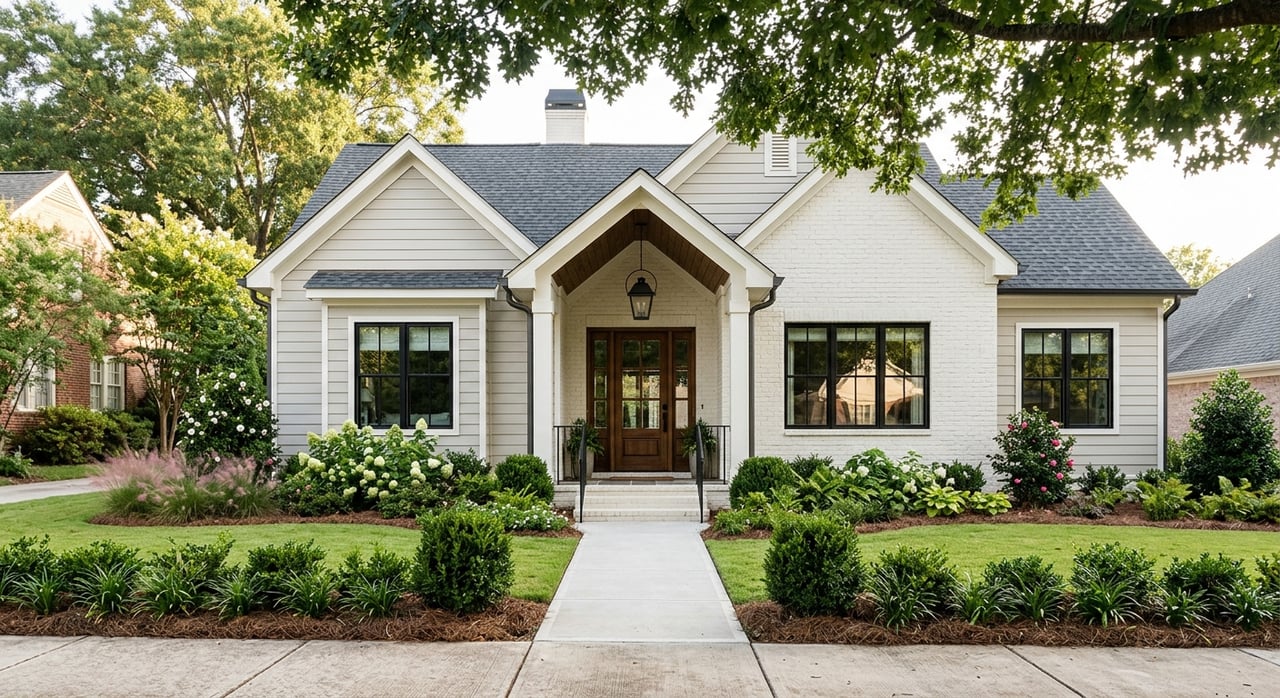
The city’s housing materials describe a variety of single-family home types and styles at a competitive Metro Atlanta price point. City planning documents also show a mix of residential patterns instead of a one-size-fits-all layout. That matters if you want options rather than feeling pushed into a single home style or lot size.
Locust Grove and nearby Henry County cities are noted by the city as leaders in new home construction within the county. For buyers, that can mean more chances to find newer layouts, updated finishes, and floor plans designed for current living habits. If open kitchens, flex rooms, and larger common areas are on your list, newer housing supply can be a real plus.
The city’s 2023 comprehensive plan also leaves room for lower-density development. Low-density residential areas are described as single-family neighborhoods with up to 1.5 units per acre, while some rural residential areas can start at 1.25-acre minimum lots. That range helps explain why Locust Grove may appeal to buyers who want more yard space or a less compact setting.
Not every buyer wants the same experience, and Locust Grove’s planning framework reflects that. Some higher-density residential areas are placed in corridors such as Tanger Boulevard and Dewey Rose Lane, while other areas are planned for lower-density living. This creates a broader mix of choices depending on how much space and convenience you want to prioritize.
That flexibility is important if your household is in transition. You may want a newer home near shopping and major roads, or you may prefer a setting that feels a little more tucked away. Locust Grove offers enough variety to make those tradeoffs worth exploring.
Space is only part of the story. Locust Grove also attracts people who need regional access for work, travel, and everyday mobility. If you commute outside the city, the road network is a major part of why this location stays on buyers’ radar.
Locust Grove sits along I-75 at Exit 212, Bill Gardner Parkway, with access to SR 42 and US 23. Those routes help connect the city to Atlanta, Macon, Griffin, Jackson, and other parts of Henry County. The city says Locust Grove is about 35 miles southeast of downtown Atlanta and roughly 30 miles from Hartsfield-Jackson Atlanta International Airport.
For many households, being able to reach major job corridors matters just as much as what is inside the neighborhood itself. Locust Grove’s position along I-75 makes it a practical choice for people who need to head north toward metro Atlanta or travel through the broader region. That can be especially appealing if you want more house for your money but still need dependable highway access.
Census data show a mean travel time to work of 34.8 minutes. The city’s 2023 comprehensive plan says about 3,240 residents commute outside the city for work, while about 119 both live and work in Locust Grove. Those figures reinforce the idea that Locust Grove functions as a commuter-oriented community.
There is a clear benefit to the extra room many buyers find here, but there is also a clear tradeoff. Driving remains central to daily life in Locust Grove. If you are used to a more transit-rich environment, this is a place where your schedule, route choices, and tolerance for traffic matter.
The city notes that I-75 traffic counts approach 90,000 vehicles per day, while the five-lane section of Bill Gardner Parkway carries more than 23,000 vehicles per day. Those numbers help explain why commute planning is not a side issue here. It is a core part of the lifestyle decision.
A community works best when it offers more than a house and a highway. In Locust Grove, daily life appears to center around parks, downtown activity, and everyday convenience. That can make the area feel more grounded for buyers who want both space and routine.
The city highlights several public spaces that add to local quality of life. Chase Maddox Park includes a walking track, dog areas, a pavilion, restrooms, and open play space. Mayor’s Walk Park serves as a downtown pocket park with seating, mural space, parking, restrooms, and event use, while Locust Grove City Park includes a playground, a Little Free Library, an ADA picnic table, sidewalks, and summer yoga.
Locust Grove’s Main Street program focuses on downtown revitalization and historic preservation. Community events such as Locust Grove Day bring food, art, and crafts into the downtown core. If you value a small-city setting with local gathering points, that adds another layer of appeal beyond the home itself.
The city also points to local anchors such as Tanger Outlet Center, Walmart, Ingles, medical services, and employers including Smead Manufacturing, Sims Superior Seating, and Southern Pine Flooring. These places support day-to-day convenience and give residents access to errands, shopping, and services close to home.
For buyers thinking about daily logistics, school location can shape the rhythm of the week. Henry County Schools lists Locust Grove Elementary, Unity Grove Elementary, Locust Grove Middle, and Locust Grove High School in Locust Grove. That local presence can be useful for households who want to keep school-related travel more streamlined.
Locust Grove tends to make sense for buyers who want a suburban pace, more housing space, and access to major road connections. It may also appeal if you are relocating and want a place that feels less dense than intown Atlanta options. The strong owner-occupied share and ongoing home construction support that profile.
At the same time, this is not a place where the commute fades into the background. If you move here, it helps to think honestly about where you work, when you travel, and how often you want to be on I-75. The best move is not just about square footage. It is about how your home and your daily schedule work together.
If you are weighing Locust Grove against other Henry County or south metro Atlanta options, a local comparison can make the decision much clearer. The right guidance can help you sort through lot size, commute patterns, newer construction opportunities, and neighborhood feel so you can move forward with confidence. When you are ready to explore Locust Grove or compare it with nearby communities, connect with Alicia Henderson for clear, professional guidance tailored to your goals.
Stay up to date on the latest real estate trends.
Work with a team that prioritizes your goals, communicates clearly, and delivers results with confidence.