
July 16, 2026
If you have ever wondered why Decatur feels so different from many outer-ring suburbs, you are not imagining it. The pace, layout, housing, and daily routine can feel noticeably different depending on where you live in metro Atlanta. If you are weighing a move, this guide will help you understand what sets Decatur apart and what those differences may mean for your budget, commute, and lifestyle. Let’s dive in.
One of the biggest differences is simple: Decatur is small and dense. The city covers about 4.60 square miles, with a 2025 Census population estimate of 25,276. Its 2020 population density was 5,422.7 people per square mile, which gives it a more compact, city-like feel than many places farther out.
That matters in everyday life. In a compact city, homes, shops, restaurants, and public spaces tend to sit closer together. By comparison, McDonough covers 12.85 square miles at 2,260.4 people per square mile, and Conyers covers 11.74 square miles at 1,474.1 people per square mile, which supports a more spread-out, drive-oriented routine.
Decatur’s planning materials describe it as one of the oldest places in metro Atlanta, with much of the city built out during the 1920s. Many neighborhoods still include early-1900s homes and established street patterns that shape how the city feels today. That older framework often creates shorter distances between homes, businesses, and gathering spots.
In many suburbs, growth followed a different pattern. Commercial areas may cluster around major roads, interstates, or larger shopping corridors. In Decatur, the built environment tends to support a daily rhythm that feels more connected and less dependent on driving for every stop.
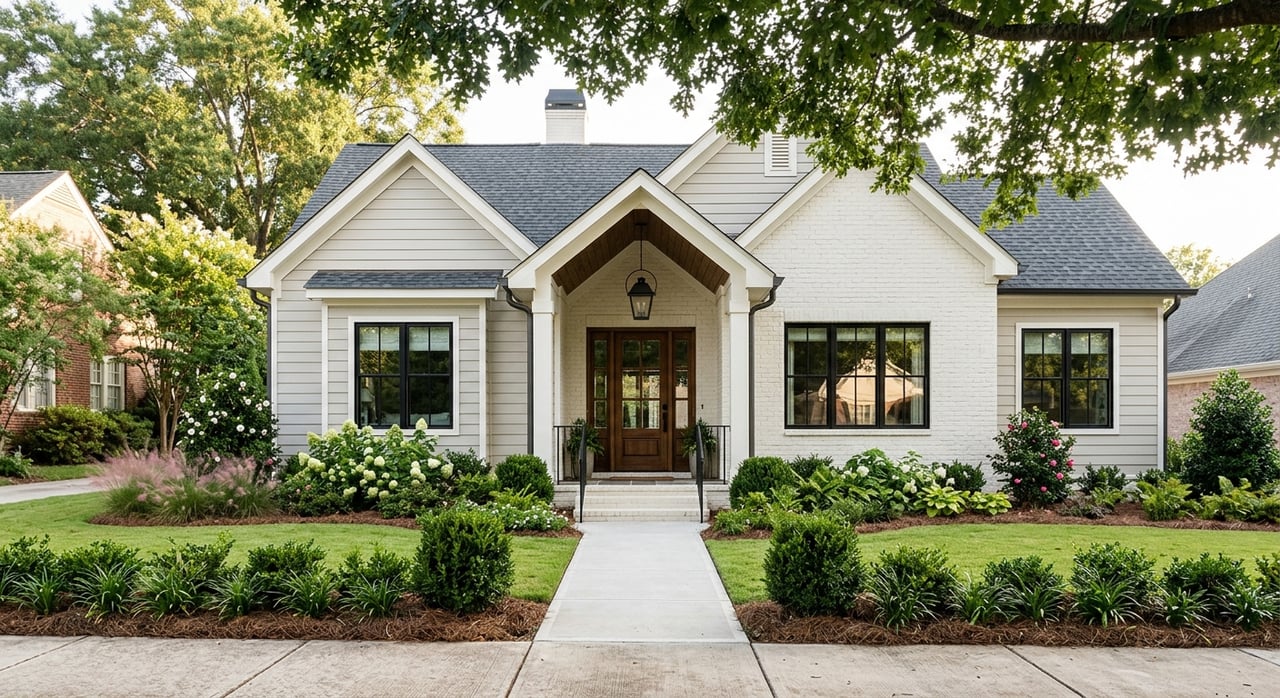
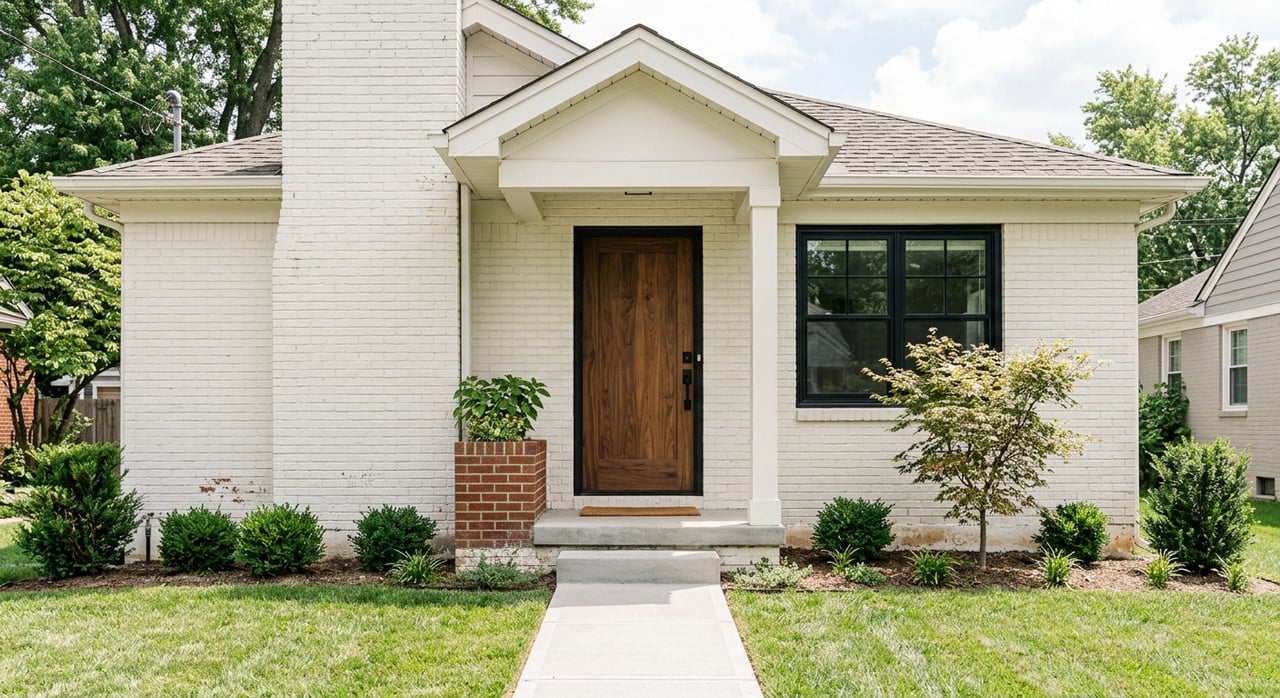
If you love older architecture, Decatur may stand out right away. The city has five local historic districts, and the Old Decatur design guidelines describe a range of home styles including Queen Anne, Colonial Revival, Craftsman, Folk Victorian, gabled ell, and bungalow homes.
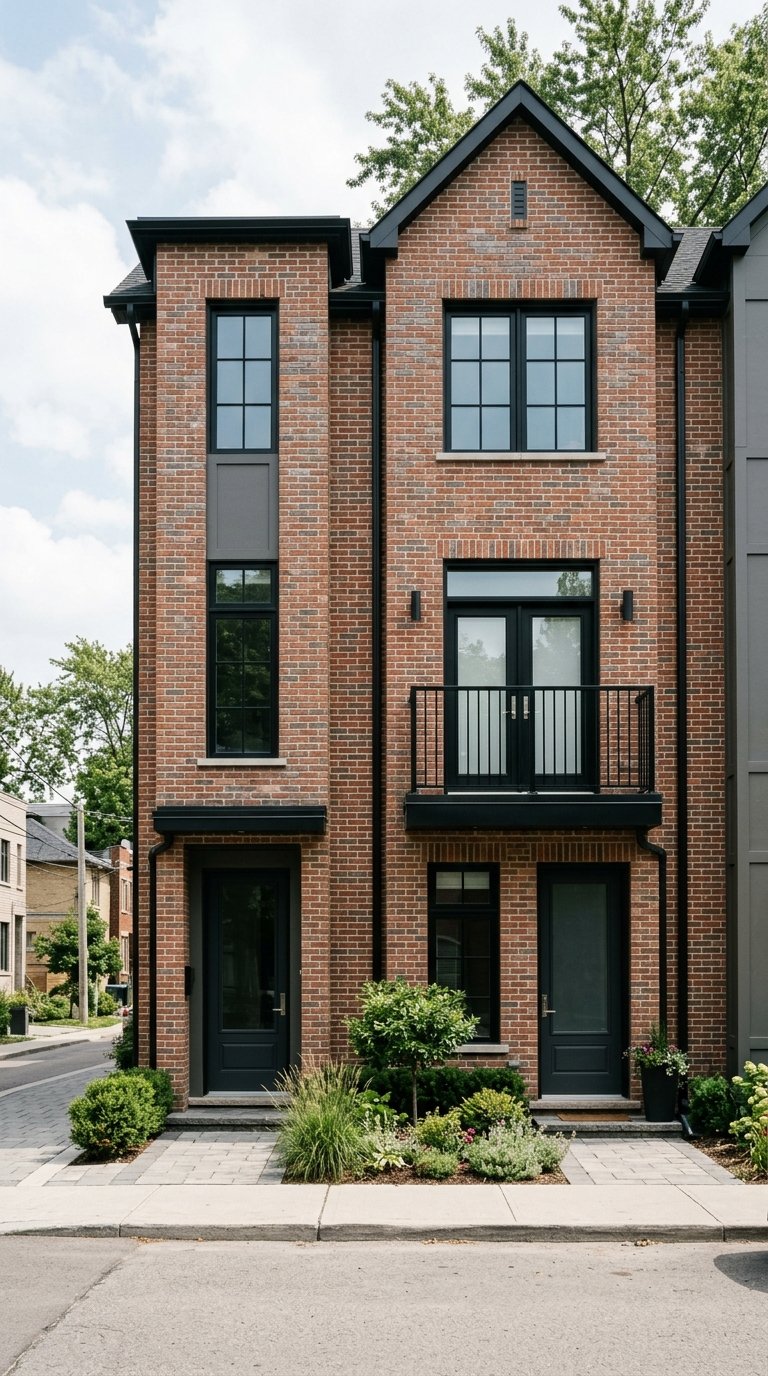
That variety gives many streets a distinct look and a sense of continuity. Decatur also includes newer mixed-use areas with condos, apartments, and infill housing near the core, so the housing mix is not limited to historic detached homes. Still, older architecture and preservation remain a major part of the city’s identity.
Character and convenience often come with a higher price point. Census data shows Decatur’s median owner-occupied home value at $701,400, compared with $314,600 in McDonough and $284,300 in Conyers.
For many buyers, that is the central tradeoff. You may pay more in Decatur for location, walkability, and older housing stock with charm. In return, you are often buying into a setting where more of your daily routine can happen closer to home.
Decatur also has a higher owner-occupied rate than the comparison suburbs in the research. The city’s owner-occupied housing rate is 63.9%, compared with 54.8% in McDonough and 40.2% in Conyers.
That does not tell you everything about a market, but it does show a different ownership pattern. For buyers comparing locations, it is one more sign that Decatur operates differently from more dispersed suburban markets.
For many people, the biggest lifestyle difference is walkability. Decatur says it has more than 60 miles of sidewalks in 4.7 square miles, has earned Gold Walk Friendly Community status, and has a Walk Score of 90.
Those numbers help explain why Decatur often feels less car-dependent than many suburbs. If you value the ability to walk to coffee, dinner, errands, or local events, that can be a meaningful quality-of-life upgrade. It is not just about convenience. It can also change how connected you feel to your surroundings.
Decatur is organized around several concentrated business districts, including The Square, Old Depot, West Ponce, Oakhurst Village, and East Decatur Station. These districts help create a more layered daily experience than you often find in areas where shopping and dining are concentrated along highway corridors.
The Square, for example, is described as a 15-block, tree-lined, walkable district with more than 40 retailers and more than 45 restaurants. Other districts combine locally owned restaurants, retail, and newer mixed-use residential spaces. That mix can make everyday outings feel built into your routine rather than something you plan around a drive.
In Decatur, local culture is not limited to the occasional weekend event. The Decatur Arts Alliance runs year-round art experiences, exhibitions, public art, festivals, and a busking program. The city also says it hosts more than 40 city-sponsored events each year.
That kind of activity can shape how a place feels to live in. Instead of culture being a special trip, it becomes part of the local backdrop. For buyers who want energy, events, and public gathering spaces close to home, that is a real difference.
This does not mean outer suburbs lack identity or community hubs. Conyers promotes Olde Town Conyers with shopping, dining, a botanical garden, theater, and year-round events. McDonough also positions its Square as the heart of the community.
The difference is more about daily geography than whether a place has a downtown. In Decatur, a larger share of everyday life may happen within a short walk. In places like Conyers and McDonough, shopping and commercial activity are more closely tied to major road corridors, interstate access, and driving between destinations.
Transit is another major dividing line. Visit Decatur says the city has three MARTA rail stations within city limits, all on the Blue Line, and that the downtown square sits directly above Decatur Station. It also notes that Decatur is about six miles from downtown Atlanta and easy to reach via MARTA.
That kind of rail access is a meaningful advantage for buyers who want options. Even if you still drive often, having train access nearby can create more flexibility for commuting, events, and airport or downtown connections through the broader system.
The Census reports a mean travel time to work of 25.9 minutes in Decatur. By comparison, the reported mean travel time is 28.0 minutes in Conyers and 32.5 minutes in McDonough.
Commute time is never the whole story, but the numbers support what the layout suggests. A closer-in, transit-served city may help some residents cut down on time spent on the road. In more road-oriented suburbs, daily travel often depends more heavily on car routes and highway conditions.
For some households, a more suburban setup is still the better match. Conyers notes that the closest MARTA rail access is Indian Creek Station, about a 35-minute drive away. McDonough highlights a scheduled bus route linking downtown McDonough with the Stockbridge Park & Ride, while county transportation efforts also emphasize road widening and intersection projects.
That kind of infrastructure supports a different lifestyle. If you are comfortable driving for most errands and want a lower entry price than Decatur, suburbs like McDonough or Conyers may align better with your goals.
Based on the research, Decatur tends to fit buyers who want a walkable routine, historic housing, a restaurant-heavy social life, and at least some rail-connected commuting. It can be a strong match if you enjoy being near a downtown square, neighborhood commercial districts, festivals, arts programming, and older homes with character.
It may be especially appealing if your idea of convenience includes walking to dinner, spending time in public gathering spaces, and living in a place where the urban fabric feels established. Buyers who value those features often see Decatur as more than an address. They see it as a daily experience.
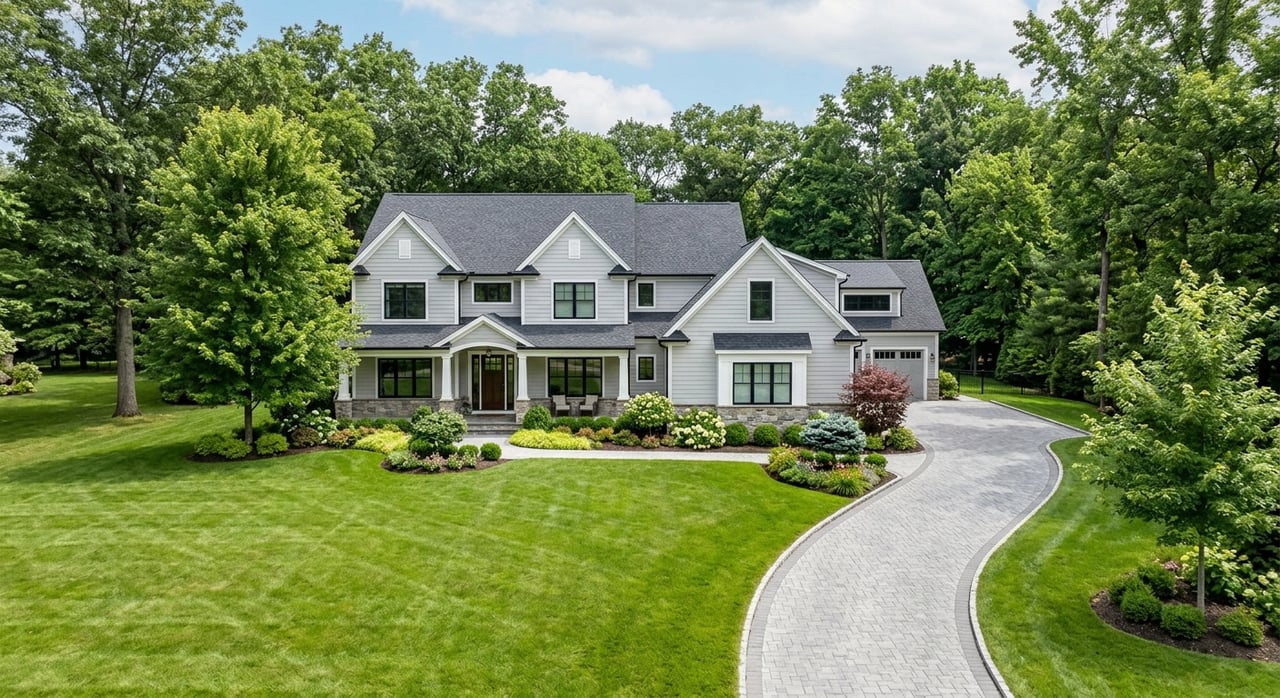
If your top priority is stretching your budget, you may find the suburbs more practical. Lower home values in McDonough and Conyers can open up different options depending on the kind of property you want and how much space matters to you.
You may also prefer a suburb if you are comfortable with a road-oriented routine and do not need rail access or highly walkable districts to feel at home. There is no one right answer here. The best fit depends on how you want to live day to day.
When you compare Decatur with the suburbs, try to look beyond labels. Ask yourself where you want to spend your time, how often you want to drive, what kind of housing speaks to you, and how much of a premium you are willing to pay for location and walkability.
A move is not just about square footage or commute time. It is about choosing a routine that supports your real life. If you want help sorting through Decatur, McDonough, Conyers, or other metro Atlanta options, Alicia Henderson can help you compare neighborhoods, price points, and lifestyle tradeoffs with clear, local guidance.
Stay up to date on the latest real estate trends.
Work with a team that prioritizes your goals, communicates clearly, and delivers results with confidence.