
July 9, 2026
If you want a lower-maintenance home in Marietta without giving up space or location options, townhomes and condos deserve a close look. They can offer a more accessible price point than the broader market, but the details behind the listing matter more than many buyers expect. When you understand ownership structure, monthly dues, and community rules, you can make a smarter move with more confidence. Let’s dive in.
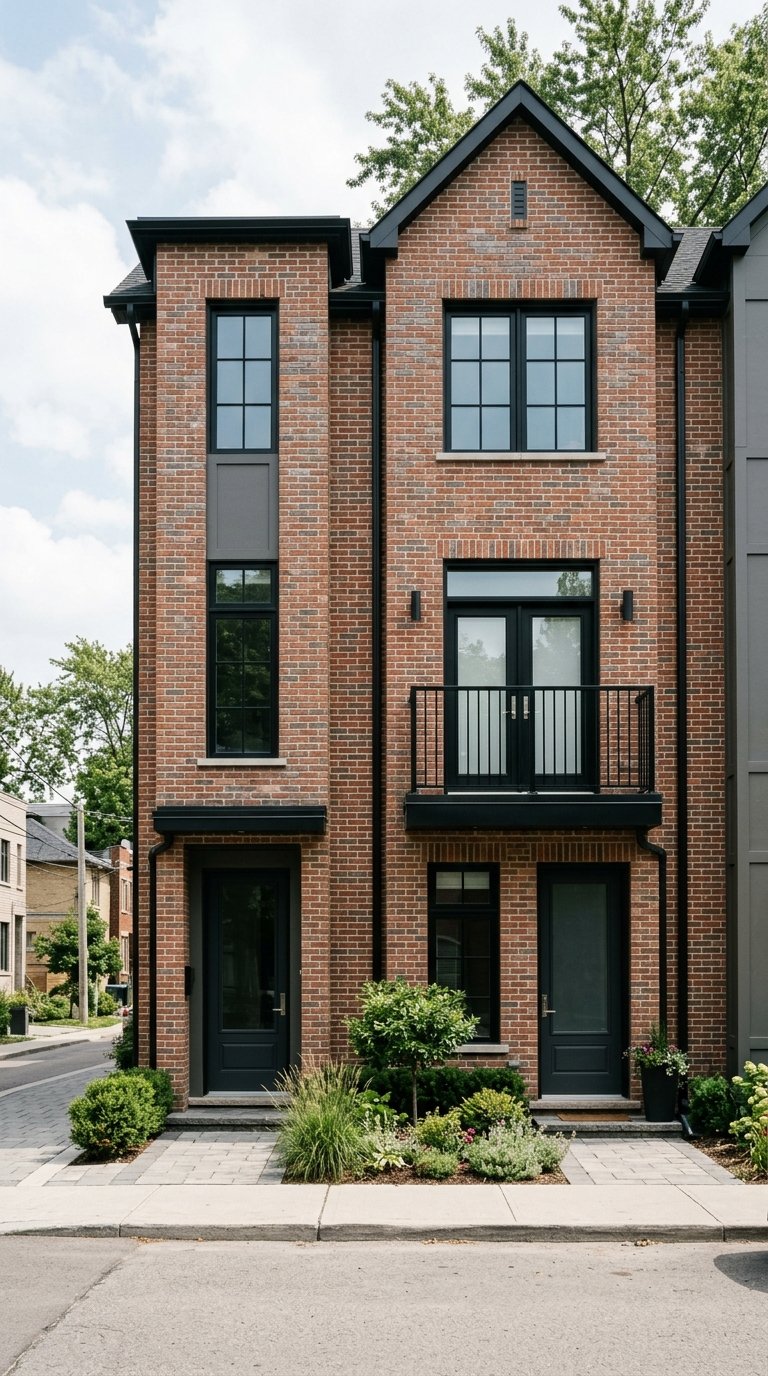
Townhomes and condos often appeal to buyers who want a simpler lifestyle, a lower entry price, or a home base close to everyday destinations in Marietta and East Cobb. In the current market snapshot, Marietta has 142 townhouses with a median listing price of $415,000 and 111 condos with a median listing price of $235,000. By comparison, Redfin reports Marietta’s all-home median sale price at $474,716.
That price gap is one reason attached homes stay on many buyers’ lists. If you are comparing your options in Marietta’s suburbs, a condo or townhome may open the door to areas or features that feel harder to reach in the detached home market. At the same time, monthly dues and ownership rules can change the true cost and fit of a property.
Marietta also has a suburban layout. Redfin classifies the city as minimally walkable, with a Walk Score of 36. That means many buyers are weighing not just home price, but also commute patterns, parking, and how much exterior upkeep they want to handle themselves.
This is one of the most important distinctions to understand before you make an offer. In Georgia, a condominium is a legal ownership form, while a townhome is a construction style. Two homes can look very similar from the outside but come with very different ownership rights and maintenance responsibilities.
A townhome may be fee simple, which often means you own the structure and lot more like a traditional house. But a townhome can also be organized as a condominium. In that case, the association documents may define different responsibilities for exterior maintenance, insurance, and common areas.
That is why reading the community documents matters so much. You are not just buying square footage or finishes. You are also buying into a legal structure, a budget system, and a set of rules that affect your monthly costs and day-to-day ownership experience.
One of the biggest advantages of attached-home living in Marietta is range. Current townhouse listings span from about $199,900 to $729,000, with examples including homes on Promenade Court SW, New Haven Drive SW, Brownstone Drive SW, Stone Field Run NW, and Masons Row. That gives buyers a wide spread of price points, styles, and community setups.
Condo pricing also covers a broad band. Current examples range from about $160,000 to $479,900, including listings on Ashborough Terrace SE, Wynnes Ridge Circle SE, Augusta Drive SE, Atlanta Street SE, and Gaston Circle SE. For buyers focused on budget, that range can create a meaningful path into homeownership in Marietta.
Inventory is also concentrated in familiar parts of the market. Current listing pages surface areas such as East Cobb, Downtown Marietta, Barrett Greene, Shadow Wood, and the Church Street and Cherokee Street Historic District, along with zip codes including 30060, 30062, 30064, 30066, 30067, and 30068. If you are trying to balance price, location, and maintenance level, these areas are often where your search starts to sharpen.
A lower list price does not always mean a lower monthly housing cost. With condos and townhomes, association dues can shift some expenses away from you and into the monthly payment. That can be helpful, but it also means you need to understand exactly what those dues cover.
In Marietta townhome communities, dues can vary quite a bit. Current examples include a townhouse with $240 per month dues covering insurance, grounds maintenance, and trash, another with $425 per month where the HOA maintains the exterior, and a Brownstone townhome marketed with no HOA at all. Those differences can significantly change both your budget and your maintenance responsibilities.
Condo dues often cover more than townhome dues. Current examples include $288 per month covering trash, grounds maintenance, water, sewer, pest control, structure maintenance, swimming, and management. Another example shows $215 per month covering ground maintenance, trash, termite care, water, sewer, and pool access.
Some communities include even more, such as reserve funds, exterior maintenance, clubhouse access, pool use, and exercise room access. When you compare monthly costs, it helps to look at the full picture instead of just principal and interest. A home with higher dues may reduce separate out-of-pocket costs for water, exterior repairs, termite treatment, or amenities.
Rules vary sharply from one community to the next. That is true even when two properties are similar in size, age, or location. Before you fall in love with the layout, make sure the community rules fit your plans.
For example, current Marietta listings show different rental policies. One condo listing notes owner-occupant cash offers only and rental restrictions, while another says there are no rental restrictions. If you think you may want to rent the property later, even for a short period after a life change, that detail matters.
You should also compare pet rules, parking arrangements, garage setups, and exterior maintenance responsibility. These are the everyday details that shape how convenient a property feels after closing. A lower price is not always the better value if the rules do not match how you plan to live.
In Georgia, due diligence for an HOA or condo community usually depends on the seller’s disclosures and the association’s governing documents. The Georgia Attorney General notes that HOAs are privately funded and are not subject to the Open Records Act or Open Meetings Act. That means you should expect to get key information through the transaction process, not from public-government records.
Georgia REALTORS recommends reviewing the declaration or CC&Rs, bylaws, budgets, and meeting minutes. Buyers should also ask about reserve funds, special assessments, owner-occupied ratios, condo-specific financing rules, and insurance coverage before buying. These details help you understand not just what the community offers today, but how it is being managed for the future.
If the association is subject to the Georgia Condominium Act or Property Owners’ Association Act, the Georgia Attorney General says owners have the right to obtain comprehensive reports of the association’s affairs, finances, and budget projects at annual board meetings. That makes reserve strength and assessment history worth serious attention. An attractive pool or clubhouse is nice, but a well-run budget can matter more over time.
When you are narrowing down condos and townhomes in Marietta, use a checklist that helps you compare more than just price and photos.
This last point matters more than many buyers realize. Current Marietta listings include a mix of older condo communities from the 1980s and newer townhome developments from the 2010s and 2020s. Age alone is not good or bad, but it can affect maintenance expectations, repair planning, and monthly costs.
A condo may make sense if you want a lower entry price and prefer more shared maintenance through the association. It can be a strong option if you value predictable handling of exterior upkeep, utility coverage, or amenities included in the dues. You will still want to review the rules and budget closely.
A townhome may fit better if you want more of a house-like layout and, in some cases, fewer shared systems. Depending on the ownership structure, you may also have more direct responsibility for the exterior and lot. That can be a plus if you want more control, but it is still important to confirm exactly what you own and maintain.
The best choice depends on your budget, lifestyle, and future plans. If you are buying your first home, relocating, downsizing, or simply trying to reduce maintenance, clarity matters more than labels. In Marietta’s suburbs, the smartest move is the one that matches both your monthly comfort and your long-term goals.
If you are weighing condo versus townhome living in Marietta, having patient local guidance can make the process feel much more manageable. Alicia Henderson and Empower Realty Team help buyers make sense of pricing, community details, and the tradeoffs that come with every move, so you can choose with confidence.
Stay up to date on the latest real estate trends.


Work with a team that prioritizes your goals, communicates clearly, and delivers results with confidence.